Phosphodiesterase Type 5 Inhibitors and the Risk of Non-Arteritic Anterior Ischemic Optic Neuropathy: Separating Signal from Noise

Introduction: When Vision Meets Vasodilation Phosphodiesterase type 5 inhibitors (PDE5 inhibitors) transformed the management of erectile dysfunction (ED). Drugs such as sildenafil, tadalafil, and vardenafil became first-line therapies due to their predictable efficacy, ease of administration, and generally favorable safety…

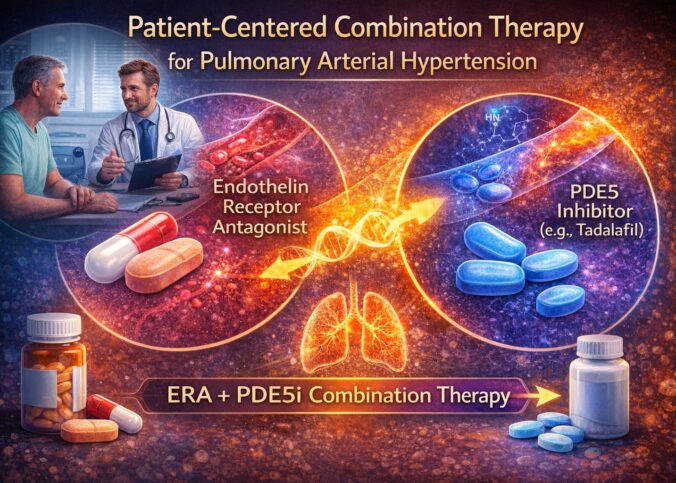
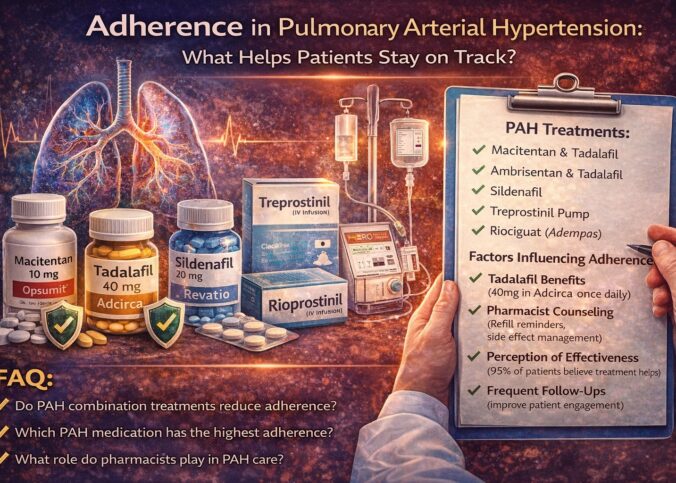
Treatment Patterns and Adherence in Pulmonary Arterial Hypertension: What Real-World Data Reveal About Persistence, Perception, and the Role of Tadalafil

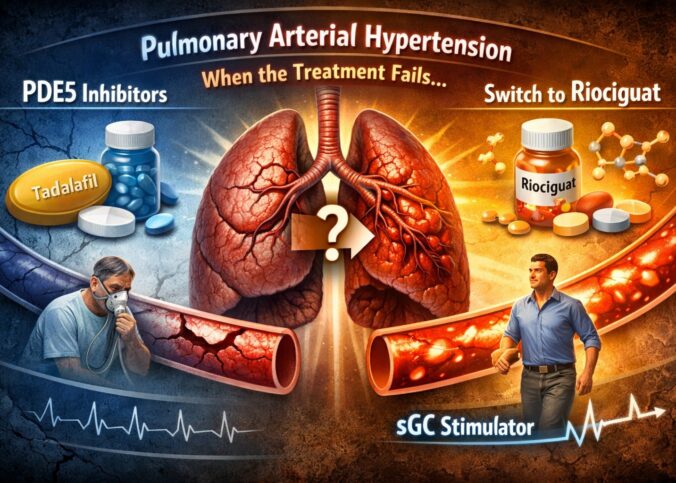
Pulmonary arterial hypertension (PAH) and chronic thromboembolic pulmonary hypertension (CTEPH) are not forgiving diseases. They are chronic, progressive, and physiologically complex. Over the past two decades, targeted pharmacotherapy has transformed prognosis. Yet even the most elegant pharmacologic strategy fails if…

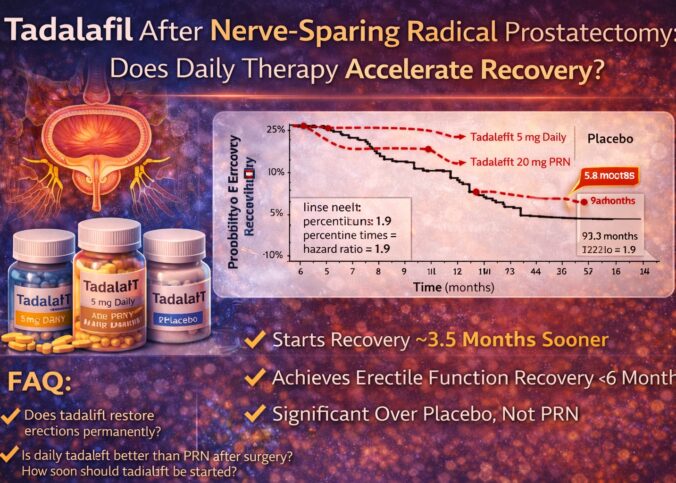
Tadalafil After Nerve-Sparing Radical Prostatectomy: Does Daily Therapy Accelerate the Recovery of Erectile Function?

The Clinical Problem: Erectile Dysfunction After Prostate Cancer Surgery Radical prostatectomy remains one of the most effective treatments for localized prostate cancer. Advances in surgical technique—particularly bilateral nerve-sparing radical prostatectomy (nsRP)—have dramatically improved functional outcomes. Yet even in the best…

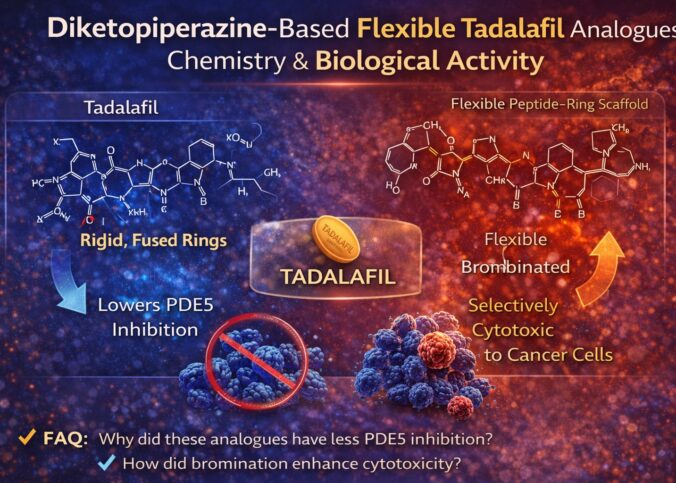
Diketopiperazine-Based Flexible Tadalafil Analogues: Structural Innovation, Biological Evaluation, and Therapeutic Implications

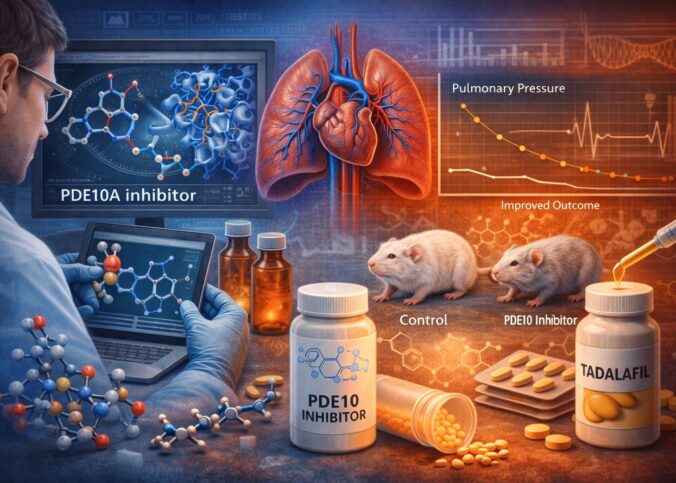
Introduction: Beyond Classical PDE5 Inhibition Few small molecules have reshaped modern pharmacotherapy as profoundly as tadalafil. Originally developed as a highly selective phosphodiesterase type 5 (PDE5) inhibitor for erectile dysfunction, tadalafil rapidly expanded its clinical relevance to pulmonary arterial hypertension…

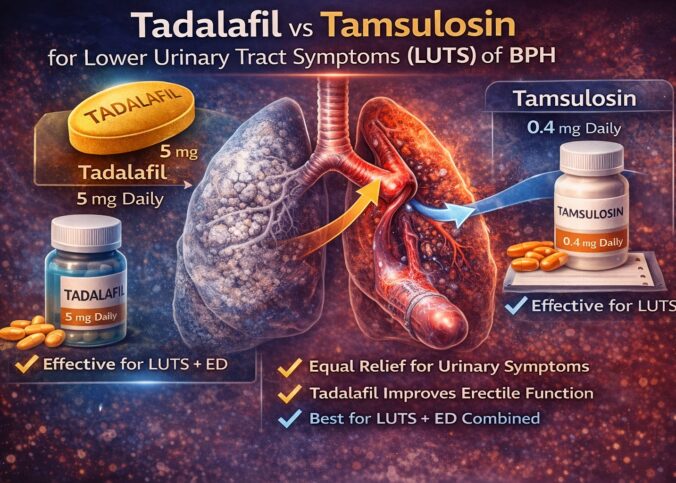
Tadalafil versus Tamsulosin in the Management of LUTS Suggestive of Benign Prostatic Hyperplasia: Clinical Parity, Functional Divergence, and Practical Decision-Making

The Clinical Intersection of LUTS and BPH: Why the Comparison Matters Lower urinary tract symptoms (LUTS) suggestive of benign prostatic hyperplasia (BPH) remain among the most prevalent and disruptive conditions affecting aging men. Frequency, urgency, nocturia, weak stream, incomplete emptying—these…