

Introduction
Erectile dysfunction (ED) is a multifactorial condition that extends beyond sexual incapacity; it reflects a complex interplay of endocrine, vascular, neurologic, and psychological determinants. Among men with chronic liver disease (CLD), ED emerges not merely as a comorbidity but as a surrogate marker of systemic metabolic and endothelial impairment. As hepatic function declines, the intricate equilibrium of sex hormones, nitric oxide (NO) synthesis, and vascular tone becomes disrupted, culminating in sexual dysfunction that substantially diminishes quality of life.
Phosphodiesterase type 5 (PDE5) inhibitors, particularly tadalafil, have been established as first-line pharmacologic agents in the general population with ED. However, their efficacy and safety in men with compensated chronic liver disease (CCLD) remain underexplored, given hepatic metabolism’s critical role in drug pharmacokinetics and potential hemodynamic effects.
The recent clinical study conducted by Sharma et al. (2022) addresses this knowledge gap by examining whether tadalafil can effectively restore erectile function and improve overall health-related quality of life in patients with CCLD, without compromising hepatic or systemic safety. This article synthesizes the scientific and clinical implications of that study, contextualizing its findings within the broader framework of hepatology, vascular biology, and sexual medicine.
Pathophysiology of Erectile Dysfunction in Chronic Liver Disease
The pathogenesis of ED in men with CLD is multifaceted and deeply rooted in the systemic consequences of hepatic dysfunction. The liver’s involvement in hormone metabolism, vascular regulation, and detoxification means that its impairment has far-reaching repercussions on sexual physiology.
Endocrine Disruption and Hormonal Imbalance
One of the central mechanisms is hypogonadism, a hallmark of chronic liver disease. Decreased hepatic clearance of estrogens, coupled with impaired testosterone biosynthesis, results in an unfavorable androgen-to-estrogen ratio. This hormonal disequilibrium manifests as reduced libido, impaired nocturnal erections, and diminished erectile rigidity.
Additionally, liver disease often impairs sex hormone-binding globulin (SHBG) regulation, leading to reduced bioavailable testosterone levels even when total testosterone appears within normal range. The resulting endocrine milieu is one of relative estrogenic dominance, further exacerbating erectile dysfunction.
Endothelial Dysfunction and Vascular Pathways
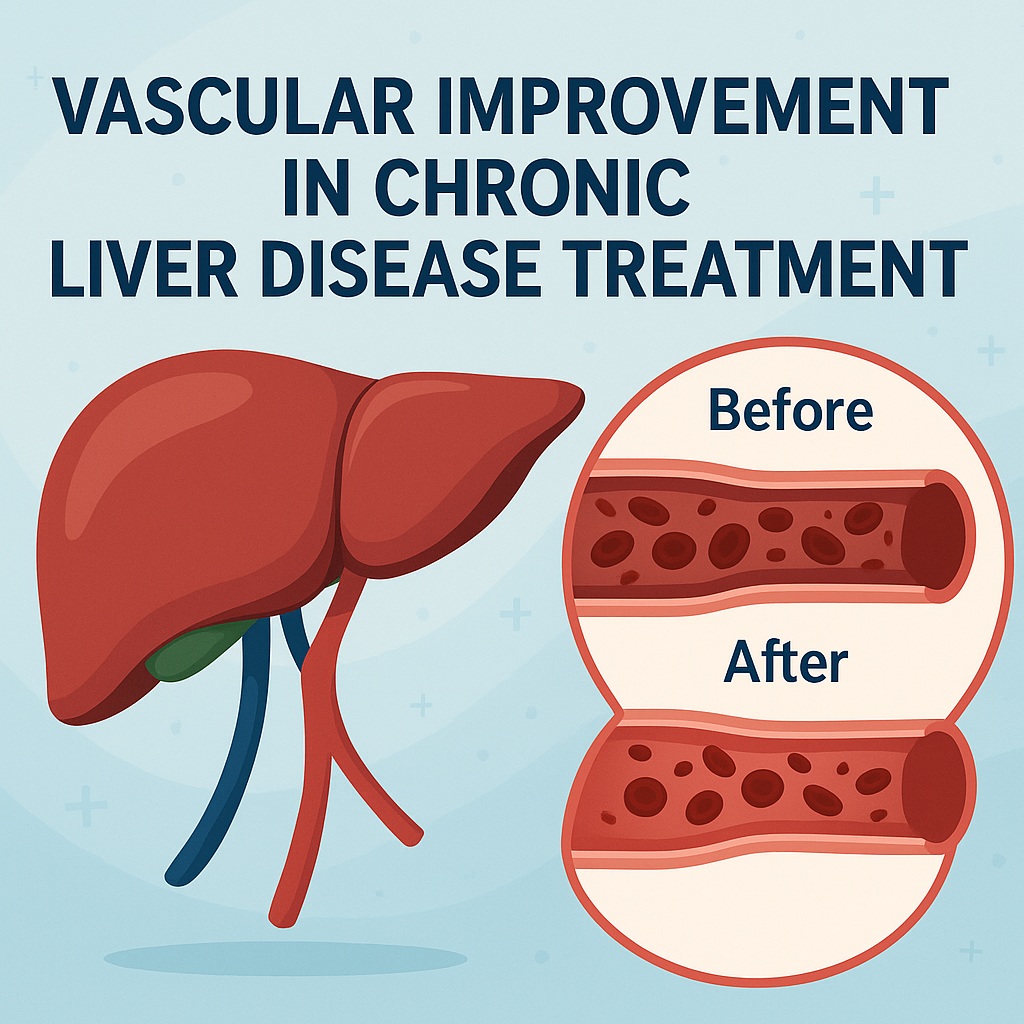
Beyond hormones, the vascular component plays an equally critical role. Cirrhotic and pre-cirrhotic conditions are characterized by endothelial dysfunction, primarily due to reduced bioavailability of nitric oxide — the pivotal mediator of penile vasodilation. Impaired NO signaling limits the activation of cyclic guanosine monophosphate (cGMP), a second messenger responsible for smooth muscle relaxation within penile tissue.
Moreover, chronic inflammation and oxidative stress prevalent in liver disease compromise endothelial integrity, leading to structural changes within the penile vasculature. Thus, even in compensated stages, the vascular bed may exhibit functional exhaustion that impairs hemodynamic response during arousal.
Psychological and Quality-of-Life Dimensions
Psychosocial factors compound physiological impairment. Men with chronic hepatic conditions frequently experience fatigue, depression, anxiety, and body image alterations related to chronic illness — each a potent contributor to psychogenic ED. The cumulative burden of physical and emotional distress establishes ED as a major determinant of health-related quality of life (HRQoL) in this population.
Rationale for PDE5 Inhibition in CCLD
Given that the NO–cGMP pathway forms the cornerstone of penile erection, PDE5 inhibitors offer a logical therapeutic avenue. By inhibiting the degradation of cGMP, these agents potentiate smooth muscle relaxation, enhance cavernosal blood flow, and restore erectile function.
Among available PDE5 inhibitors, tadalafil presents unique advantages in patients with chronic illness:
- Extended half-life (17.5 hours) permitting once-daily dosing and stable plasma levels.
- High PDE5 selectivity, minimizing systemic side effects.
- Favorable hemodynamic profile, with negligible impact on systemic blood pressure compared to sildenafil or vardenafil.
However, the hepatic metabolism of tadalafil through the cytochrome P450 (CYP3A4) pathway necessitates caution in patients with liver impairment. While mild-to-moderate hepatic dysfunction (Child–Pugh A or B) does not typically mandate dosage adjustment, empirical data validating its safety in compensated CLD have been limited — hence the clinical relevance of the study in question.
Study Design and Patient Population
The trial by Sharma et al. was a prospective, interventional, open-label clinical study conducted at a tertiary hepatology center. The investigators recruited men with compensated chronic liver disease who presented with clinically diagnosed erectile dysfunction, as defined by scores on the International Index of Erectile Function (IIEF-5) questionnaire.
Inclusion and Exclusion Criteria
Eligible participants were adults with stable hepatic function (Child–Pugh class A), preserved synthetic capacity, and no history of overt hepatic encephalopathy or variceal bleeding. Patients with decompensated liver disease, severe cardiovascular pathology, renal impairment, or concurrent nitrate therapy were excluded to avoid confounding pharmacodynamic interactions.
Intervention and Evaluation Parameters
Participants received tadalafil 10 mg once daily for 12 weeks. Assessments included:
- Erectile function via IIEF-5 scoring at baseline and post-treatment.
- Hormonal assays (testosterone, luteinizing hormone, follicle-stimulating hormone).
- Liver function tests and biochemical markers of hepatic integrity.
- Health-related quality of life evaluation using CLDQ (Chronic Liver Disease Questionnaire).
This design allowed researchers to evaluate not only erectile recovery but also potential systemic and hepatic safety implications of tadalafil in this vulnerable cohort.
Key Findings: Efficacy and Safety Outcomes
Improvement in Erectile Function
After 12 weeks of tadalafil therapy, patients exhibited a statistically significant increase in mean IIEF-5 scores, indicating robust improvement in erectile performance and satisfaction. The majority of subjects transitioned from moderate-to-severe ED categories to mild or minimal dysfunction.
This finding underscores the restoration of vascular responsiveness within penile tissue, consistent with enhanced cGMP signaling and improved endothelial function. Importantly, the improvement was sustained across all etiologies of CLD, including nonalcoholic steatohepatitis (NASH), chronic hepatitis B and C, and alcohol-related disease, suggesting a mechanism independent of the primary hepatic insult.
Hormonal and Metabolic Correlates
While tadalafil did not significantly alter total testosterone or gonadotropin levels, there was a mild trend toward improvement in free testosterone, likely reflecting better perfusion and oxygenation of testicular tissue. No deterioration in hepatic biochemical markers (ALT, AST, bilirubin, INR) was observed, confirming that tadalafil administration at therapeutic doses did not impair hepatic function.
This safety reassurance is crucial because many drugs metabolized by the liver can exacerbate hepatic injury or induce enzyme elevation in susceptible patients.
Quality of Life and Psychosocial Impact
Perhaps the most clinically meaningful outcome was the marked improvement in CLDQ scores, reflecting better emotional well-being, reduced fatigue, and enhanced sexual confidence. Erectile restoration transcended physical performance, translating into psychological resilience and social reintegration.
Such multidimensional recovery highlights tadalafil’s role not merely as a vasodilator but as a quality-of-life enhancer in chronic disease management.
Mechanistic Insights: Linking Endothelial Recovery and Tadalafil
The therapeutic benefits of tadalafil extend beyond simple PDE5 inhibition. In CLD-associated ED, the drug likely operates through a spectrum of interrelated pathways.
- Restoration of NO–cGMP Signaling: By preventing cGMP degradation, tadalafil amplifies NO-mediated vasodilation, counteracting the endothelial rigidity induced by oxidative stress and inflammation in CLD.
- Antioxidant Effects: Experimental studies suggest tadalafil exerts mild antioxidant properties by attenuating reactive oxygen species (ROS), thereby improving microvascular health.
- Anti-inflammatory Modulation: Chronic liver disease involves persistent low-grade inflammation that disrupts vascular homeostasis. Tadalafil’s potential to downregulate TNF-α and NF-κB pathways may indirectly restore endothelial responsiveness.
- Improved Microcirculation: The drug may enhance not only penile but also hepatic and splanchnic blood flow, optimizing tissue oxygenation and metabolic exchange.
These mechanisms collectively justify the observed dual outcome — improved erectile function without hepatic compromise.
Comparative Evaluation: Tadalafil vs. Other PDE5 Inhibitors in CLD
While sildenafil and vardenafil have demonstrated efficacy in the general ED population, their shorter half-lives and greater systemic vasodilatory potential make them less suitable for patients with hepatic comorbidities.
Tadalafil’s pharmacokinetic stability and once-daily administration confer distinct advantages in chronic management. Furthermore, its safety profile in mild hepatic dysfunction, as confirmed in this study, positions it as the PDE5 inhibitor of choice for men with compensated liver disease.
Nonetheless, caution remains warranted. Higher tadalafil doses (20–40 mg) or concurrent use with hepatotoxic or hypotensive agents may heighten the risk of adverse events. Therefore, individualized dose titration and multidisciplinary oversight — involving hepatologists, urologists, and endocrinologists — are imperative.
Clinical Implications: Beyond Erectile Function
The implications of these findings extend into broader domains of hepatology and chronic disease care.
- Holistic Management: Addressing sexual dysfunction enhances adherence to medical therapy and lifestyle modification in CLD patients, fostering psychological stability.
- Cardiometabolic Overlap: Improvements in endothelial function may indirectly mitigate cardiovascular risk — a frequent companion of metabolic and alcoholic liver disease.
- Patient-Centered Outcomes: By restoring sexual confidence, tadalafil therapy contributes to social reintegration and mental well-being, aligning with the contemporary emphasis on patient-reported outcomes in chronic disease management.
Thus, the integration of tadalafil into comprehensive CLD care exemplifies a multidisciplinary paradigm where hepatologic, metabolic, and psychosexual dimensions converge.
Safety Considerations and Limitations
The study’s demonstration of tadalafil’s hepatic safety profile in compensated CLD is reassuring but must be interpreted within specific boundaries. The sample size was moderate, and the observation period of 12 weeks limits conclusions regarding long-term safety.
Patients with decompensated disease (Child–Pugh B/C) were excluded; hence, extrapolation to advanced cirrhosis is inappropriate. Additionally, pharmacokinetic variations due to portal hypertension, hypoalbuminemia, or altered first-pass metabolism remain theoretical concerns requiring further study.
It is also important to note that while tadalafil may ameliorate ED symptoms, it does not address the underlying hepatic pathology. Therefore, its role should be considered adjunctive — supportive rather than curative — within the continuum of liver disease management.
Future Directions
Further research is warranted to expand upon these encouraging findings. Areas for exploration include:
- Long-term studies assessing the durability of erectile and quality-of-life improvements over 6–12 months.
- Dose optimization to balance maximal efficacy with hepatic safety.
- Comparative trials contrasting tadalafil with other PDE5 inhibitors or non-pharmacologic interventions in CLD-related ED.
- Mechanistic studies using vascular imaging and endothelial biomarkers to elucidate the drug’s microcirculatory impact.
Such investigations will refine clinical guidelines and ensure evidence-based integration of PDE5 therapy in hepatology practice.
Conclusion
The 2022 study provides compelling evidence that tadalafil, administered at a standard 10 mg daily dose, significantly improves erectile function and overall quality of life in men with compensated chronic liver disease, without compromising hepatic safety.
By restoring vascular responsiveness, supporting hormonal balance, and alleviating psychogenic distress, tadalafil emerges as a valuable adjunct in the holistic management of CLD. Its pharmacologic precision and extended half-life make it uniquely suited for chronic therapeutic regimens where stability and tolerability are paramount.
Ultimately, the findings underscore a broader principle in modern medicine: sexual health is inseparable from systemic health. Addressing ED in liver disease is not merely a matter of intimacy — it is a matter of restoring dignity, vitality, and comprehensive well-being.
FAQ: Tadalafil and Erectile Dysfunction in Chronic Liver Disease
1. Is tadalafil safe for patients with chronic liver disease?
Yes — in men with compensated liver disease (Child–Pugh class A), tadalafil at standard therapeutic doses has been shown to be safe, without worsening liver enzyme levels or synthetic function. It should, however, be avoided or used cautiously in advanced (decompensated) cirrhosis.
2. How does tadalafil improve erectile function in liver disease?
Tadalafil enhances nitric oxide–cGMP signaling, improving penile blood flow and endothelial function. It also reduces oxidative stress and inflammation, addressing vascular and metabolic dysfunction associated with chronic hepatic illness.
3. Does tadalafil improve quality of life beyond sexual performance?
Yes. Studies demonstrate significant improvements in fatigue, mood, and self-perceived well-being, as measured by the Chronic Liver Disease Questionnaire (CLDQ), confirming that restoring sexual function contributes to overall health-related quality of life.
